Loading, please wait…
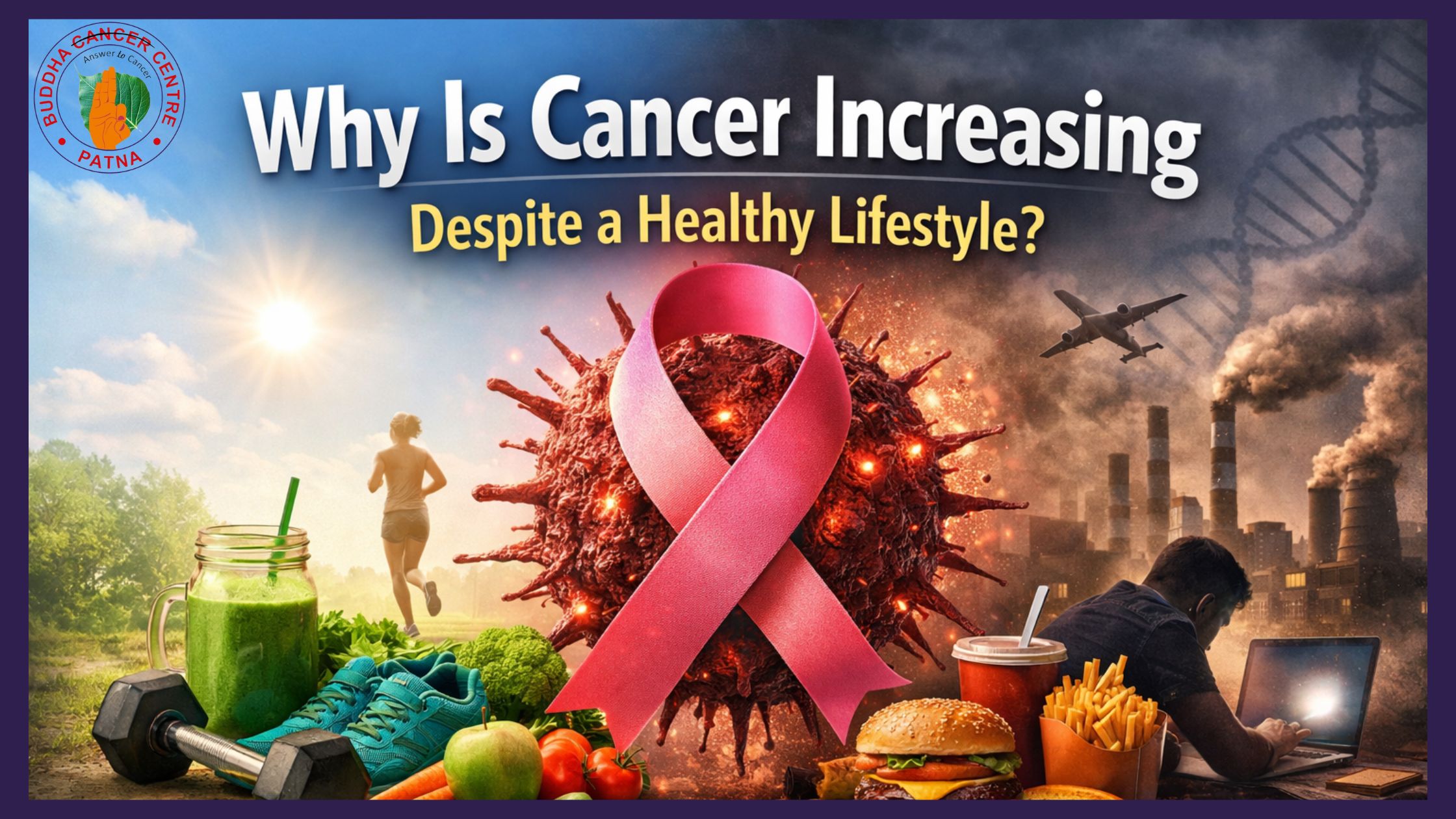
For many years, cancer was commonly associated with alcohol consumption, smoking, or a strong family history. However, today an alarming trend is emerging, people who appear healthy, exercise regularly, and have no major addictions are also being diagnosed with cancer.
This raises an important question: Why is cancer increasing even among seemingly healthy individuals? Let’s explore the hidden factors behind this modern health challenge.
Air pollution has become one of the biggest silent contributors to cancer.
In rapidly developing cities, continuous exposure to pollutants increases cumulative cancer risk , even in individuals who follow a healthy lifestyle.
Many people consider themselves healthy but unknowingly consume:
Certain additives, excessive red meat consumption, and food contaminants have been linked to cancers such as colorectal and stomach cancer.
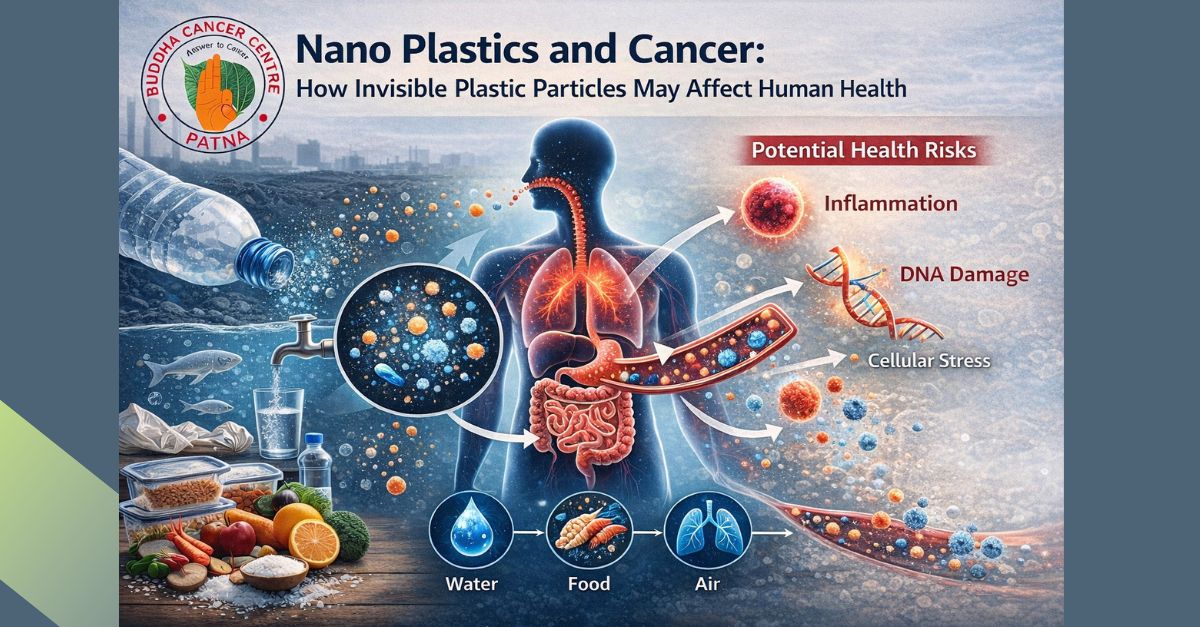
Additionally, microplastics and chemical residues in food packaging are emerging concerns.
You may exercise for one hour daily, but what about the remaining 23 hours?
Prolonged sitting (office jobs, screen time, driving) is linked to:
Chronic inflammation is a known contributor to cancer development. Even individuals with normal weight can develop metabolic imbalances due to prolonged inactivity.
Modern life brings constant stress due to work pressure, financial concerns and sleep deprivation. Persistent stress weakens immunity and disrupts hormones. Over time, reduced immune surveillance may allow abnormal cells to grow unchecked. Stress is not the sole cause of cancer, but it contributes significantly to long-term health deterioration.
In women, delayed pregnancy, and reduced breastfeeding duration have been linked with:
These are social and lifestyle shifts seen widely in modern urban populations.
Even individuals without a family history can develop spontaneous genetic mutations.
Certain exposures such as pollution, radiation, chemical toxins can damage DNA over time. When combined with genetic susceptibility, this increases risk. That is why cancer can occur in people who “did everything right.”
Now, cancer is not just a disease of “unhealthy habits” anymore. It is influenced by complex interactions between environment, genetics, lifestyle, and stress. The hidden truth behind modern lifestyle is not meant to create fear but awareness.
If you have persistent symptoms such as unexplained weight loss, prolonged cough, unusual bleeding, lumps, or chronic fatigue do not ignore them.
Early action saves lives.
Cancer is increasing among healthy people due to pollution, processed foods, chronic stress, genetic mutations, and sedentary habits. Even without smoking or alcohol intake, environmental and lifestyle factors raise cancer risk.
Yes, regular exercise lowers cancer risk but cannot eliminate it. Pollution exposure, genetics, hormonal imbalance, and chronic stress still contribute to cancer development despite maintaining fitness.
Cancer risk increases due to tobacco use, alcohol consumption, obesity, processed foods, physical inactivity, poor sleep, chronic stress, and environmental pollution.
Cancer cases in India are rising due to urban pollution, dietary changes, sedentary lifestyle, and tobacco use.
Yes, long-term exposure to air pollution and environmental toxins increases the risk of lung and other cancers. Pollutants can damage DNA and cause cellular mutations over time.
Cancer risk generally increases after age 40–50 due to aging and accumulated cellular damage. However, some cancers can occur earlier depending on genetic and lifestyle factors.
Reduce cancer risk by avoiding tobacco, limiting alcohol, eating fresh foods, exercising regularly, maintaining healthy weight, managing stress, getting vaccinated, and undergoing regular cancer screening.